








Top-Top Info Worldwide is a popular online newsportal and going source for technical and digital content for its influential audience around the globe.

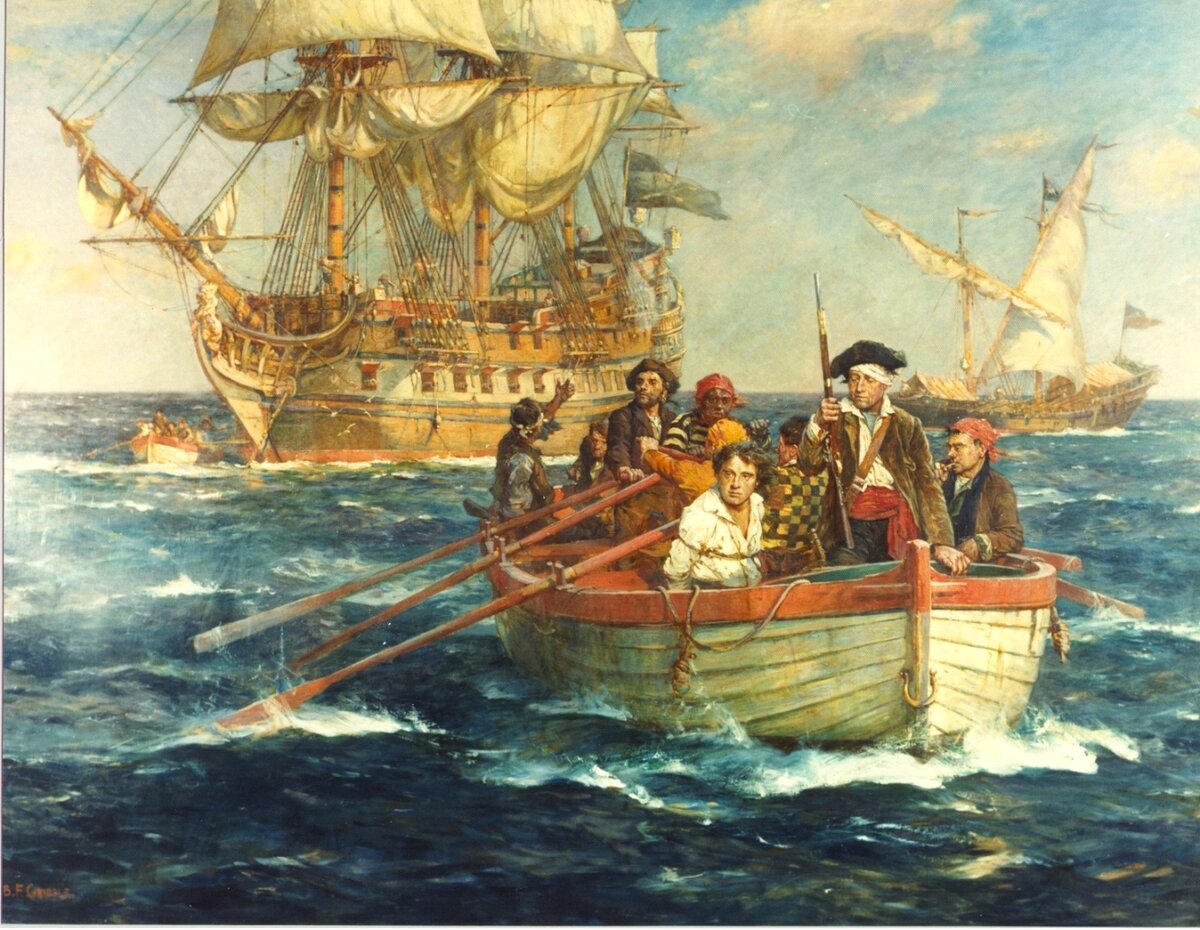
Researchers argue that the pirate's craft was sometimes profitable, but they did not make fortunes with it. Meanwhile, myths about pirate treasures excite seekers even today. And one of the reasons supporting interest in the topic is the fate of Henry Avery - the most successful corsair in the history of mankind. Although not much is known about this man. Only that he was born in 1659 near Plymouth. And he'd been dreaming of the sea since he was a boy. Doesn't seem like much for a legend.

When English postmaster Rowland Hill initiated the world's first postage stamp, the Black Penny, in 1840, his intention was simply to introduce a uniform and cheap postal rate. But in a few years the example of England was followed by other countries, and the stamps themselves turned from a utilitarian object into an object of collecting.

In the early 1920s, the leadership of the Soviet state placed abroad most of the gold reserves of the Russian Empire. The main operations in this direction were carried out by Maxim Litvinov, Deputy Commissar of Foreign Affairs of the RSFSR. The funds withdrawn from Russia settled in the secret accounts of the party.
However, Litvinov's channel was not the only one through which the “worker-peasant” power squandered the national patrimony. At least a quarter of the gold reserve went with the help of railroad engineer Yuri Lomonosov, Lenin's special envoy abroad.

The year is 1718. The Caribbean Sea is dominated by a dangerous band of British pirates, dubbed the “Flying Gang” by their contemporaries. They devastate ships traveling from America to Africa and Europe. In this regard, London merchants are on the verge of bankruptcy. This did not please the English monarch George I. Together with the famous pirate hunter Woods Rogers, he devises a cunning plan for the complete elimination of piracy.
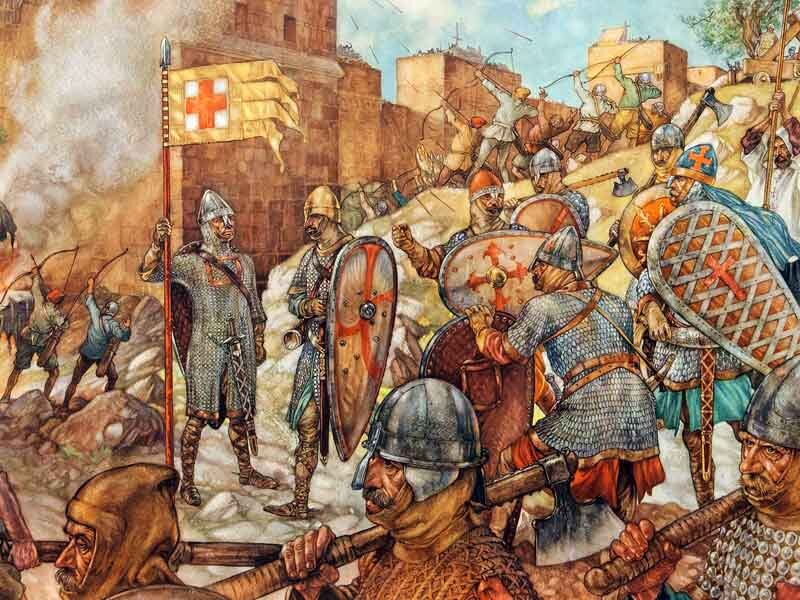
There is nothing more frightening than an angry woman who has lost her husband. French King Philip VI and his court aristocrats were convinced of this. During the Hundred Years' War, a Breton knight and wealthy landowner with his castle, Olivier de Clisson IV, sided with the king and France.








Top-Top Info Worldwide is a popular online newsportal and going source for technical and digital content for its influential audience around the globe.