The Persian Gulf remains one of the most volatile and strategically vital maritime environments in the world. As a choke point for roughly twenty percent of the global oil supply—channeled entirely through the narrow Strait of Hormuz—the region commands immense geopolitical attention.
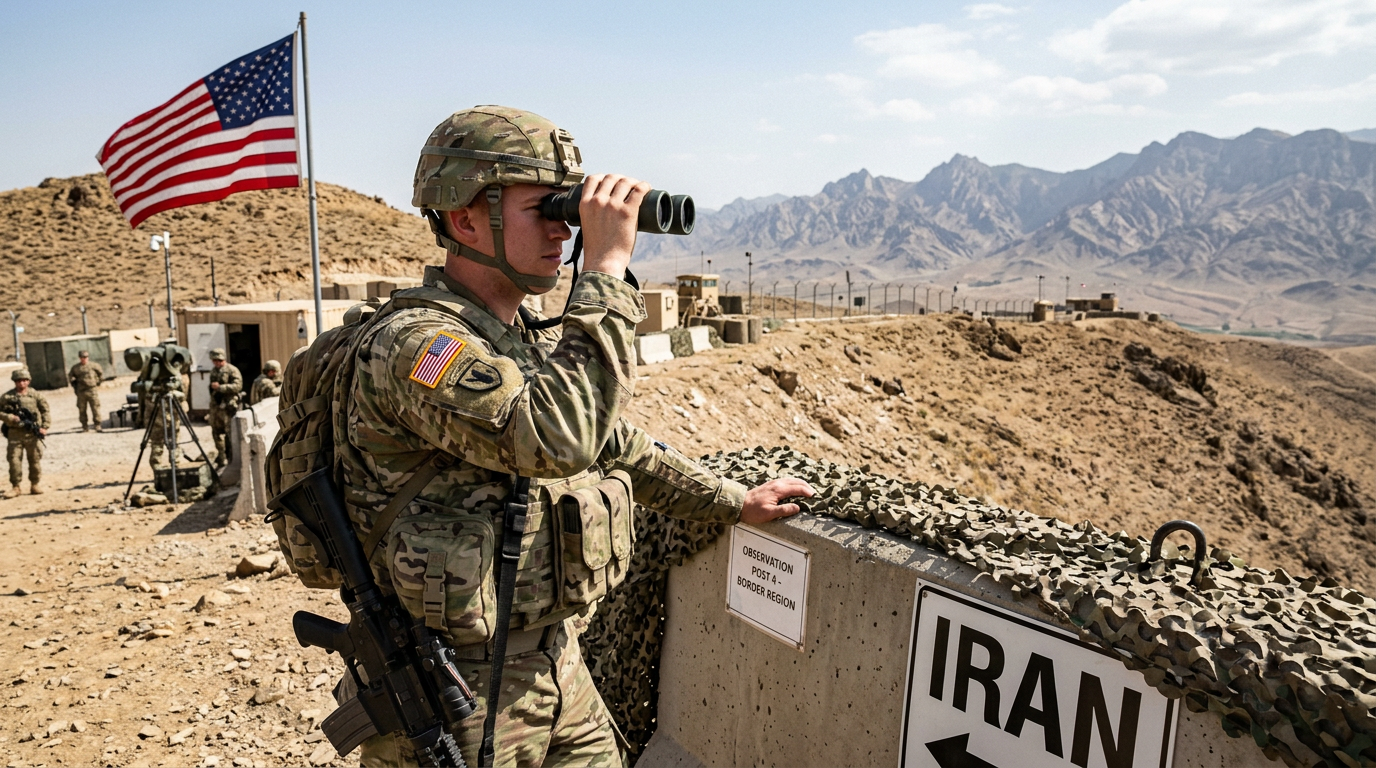
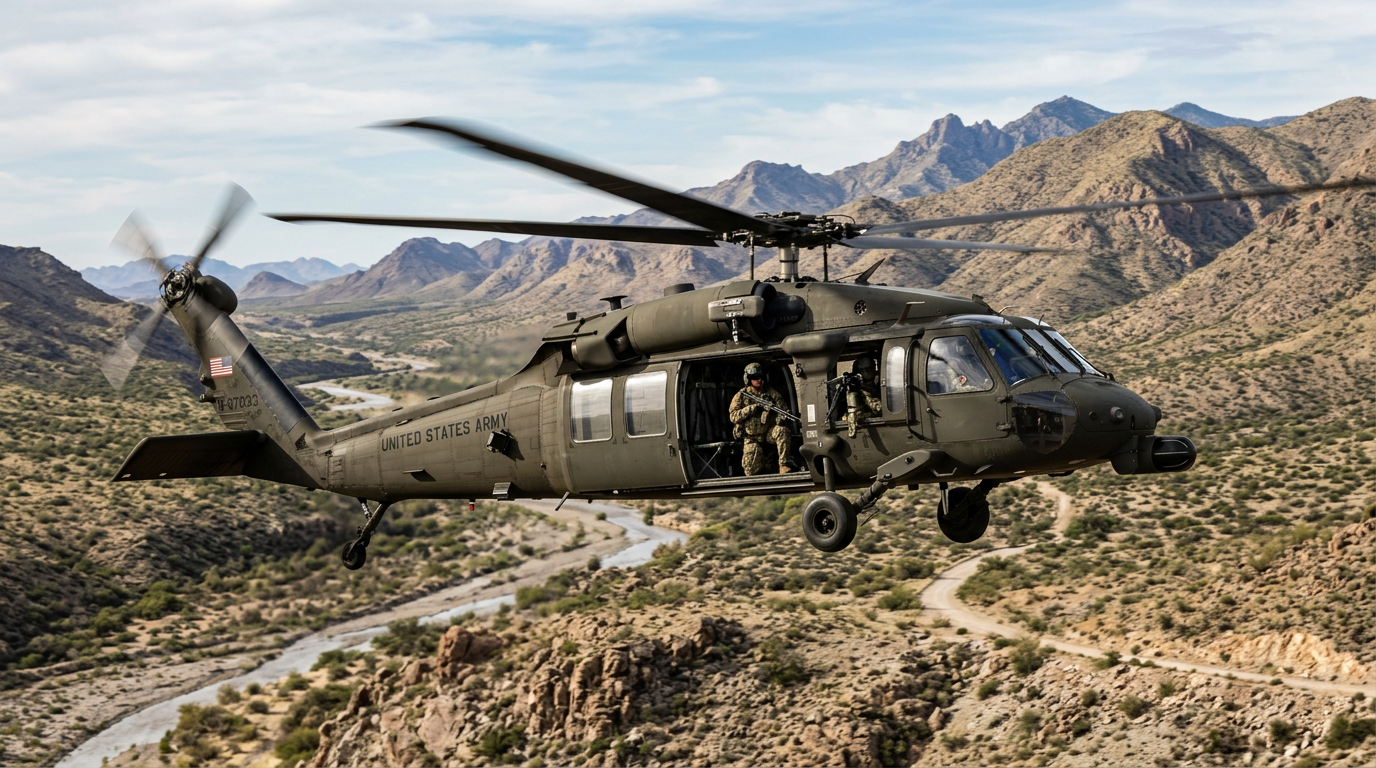
To safeguard international shipping lanes, counter adversarial regional actions, and project power, the United States maintains a robust and highly sophisticated joint-force military presence across the Gulf. Today, this footprint consists of advanced naval assets, permanent installations, and thousands of forward-deployed troops working under U.S. Central Command (CENTCOM).
The Maritime Shield: U.S. Fifth Fleet
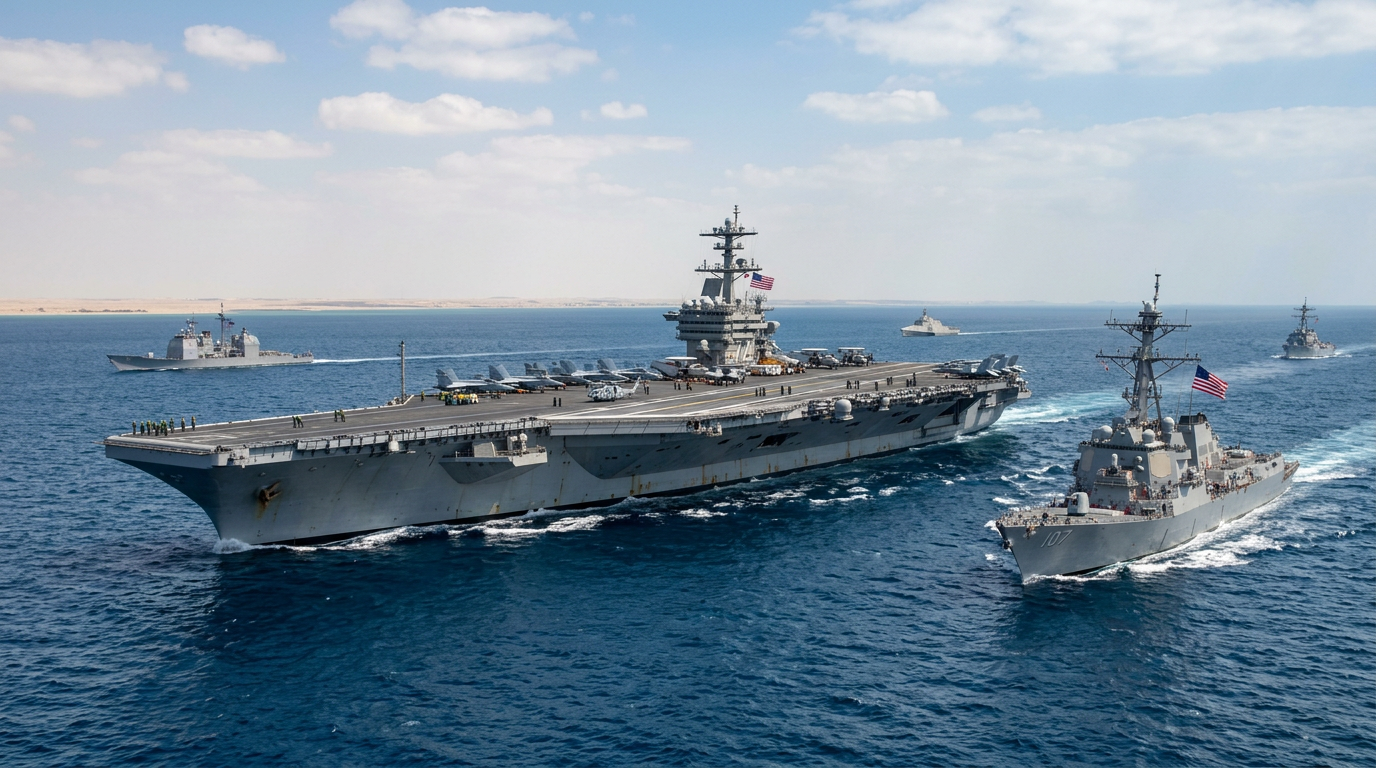
The crown jewel of American power projection in the region is the U.S. Navy’s Fifth Fleet, headquartered in Manama, Bahrain. This facility serves as the nerve center for all naval operations stretching across the Persian Gulf, the Red Sea, and the Arabian Sea.
The primary surface force in the area relies on Carrier Strike Group 3 (CSG-3), spearheaded by the nuclear-powered aircraft carrier USS Abraham Lincoln. Operating alongside a powerful "armada" of guided-missile destroyers—such as the USS Delbert D. Black—this group deploys advanced strike fighters like the F-35C Lightning II and F/A-18E Super Hornets. In tandem with traditional surface warships, the Fifth Fleet utilizes a groundbreaking network of unmanned surface vessels (USVs) and surveillance drones to maintain round-the-clock monitoring of potential maritime hazards, mine threats, or hostile vessel maneuvers.
Airpower and Ground Logistics Hubs
While the Navy controls the water, the U.S. Air Force and Army dominate the coastlines from massive regional installations:
· Al Udeid Air Base (Qatar): Located just outside Doha, Al Udeid is the largest American military installation in the Middle East. It houses CENTCOM's Forward Headquarters and handles heavy transport, refueling tankers, and airborne reconnaissance operations.
· Ali Al Salem and Camp Arifjan (Kuwait): Kuwait stands as a vital logistical sanctuary, hosting over 13,000 U.S. Army personnel. It provides heavy mechanized armor support, forward logistical coordination, and vital staging grounds. l Dhafra Air Base (UAE): This installation is a critical staging area for advanced stealth fighters, including F-22 Raptors, which provide regional air superiority and rapid interception capabilities.
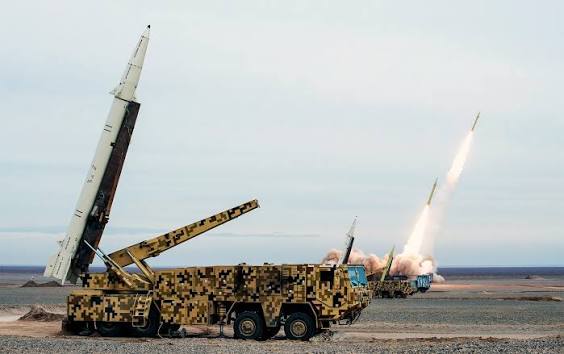
Strategic Implications
The deployment of these forces extends far beyond simple coastal defense. These assets are positioned specifically to deter threats to global commerce, counter illicit weapons smuggling, and ensure that the vital economic arteries of the world remain unobstructed. Despite ongoing political debates about the long-term scale of the U.S. footprint in the Middle East, the current concentration of aircraft carriers, air defense shields, and elite personnel ensures that the United States remains the dominant military broker in the Persian Gulf.