









Top-Top Info Worldwide is a popular online newsportal and going source for technical and digital content for its influential audience around the globe.

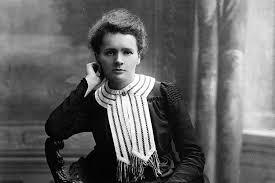
She was a French chemist and physicist. She is well known for the discovery of new elements such as radium and polonium. She also gave the theory of radioactivity as well as the isolation of radioactive isotopes. She was a Nobel Prize winner for her inventions. But due to the exposure to radiations, she died from aplastic anemia on 4th July, 1934.
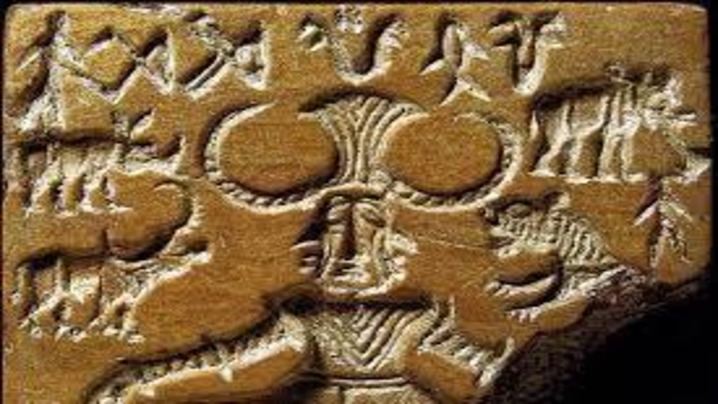
The Huns did not prioritize the preservation of their language through scripts or texts. However, it is known that many words in the Hunnic language were borrowed from Roman scholars. Despite the limited inscriptions and evidence of this language, experts are working to reconstruct Hunnic words and alphabets. There is a common belief that the Huns were connected to modern Hungarians, and some theories link them to the Xiongnu nomads, who were neighbors of the Han Chinese.
“Babe, I don’t even know this woman who keeps calling me on my cellphone.”
He claims to have met this woman at a party and never had a conversation with her, yet she continues to call him on his cellphone. This woman is someone he has a casual relationship with, although he may have been seeing her for a while, he won't disclose this information to you. It's now up to you to uncover the truth. After all, as a woman, you wouldn't regularly call a stranger.
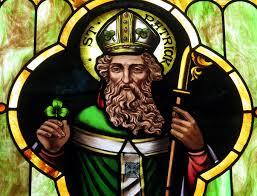
It is believed that this figure played a role in driving out all snakes from Ireland, but this claim is questionable as there were no snakes in Ireland during that time. The only confirmed historical fact about St. Patrick is that he was brought to Ireland as a slave in chains. After escaping and returning to Cumbria, he was ordained as a priest and later began his missionary work. St. Patrick converted thousands of people to Christianity and even converted the heirs to the throne of Ireland. However, the story of him banishing snakes is likely a metaphor for his efforts to convert the Druid cults in the region, and he did not bring Christianity to Ireland single-handedly.







Top-Top Info Worldwide is a popular online newsportal and going source for technical and digital content for its influential audience around the globe.