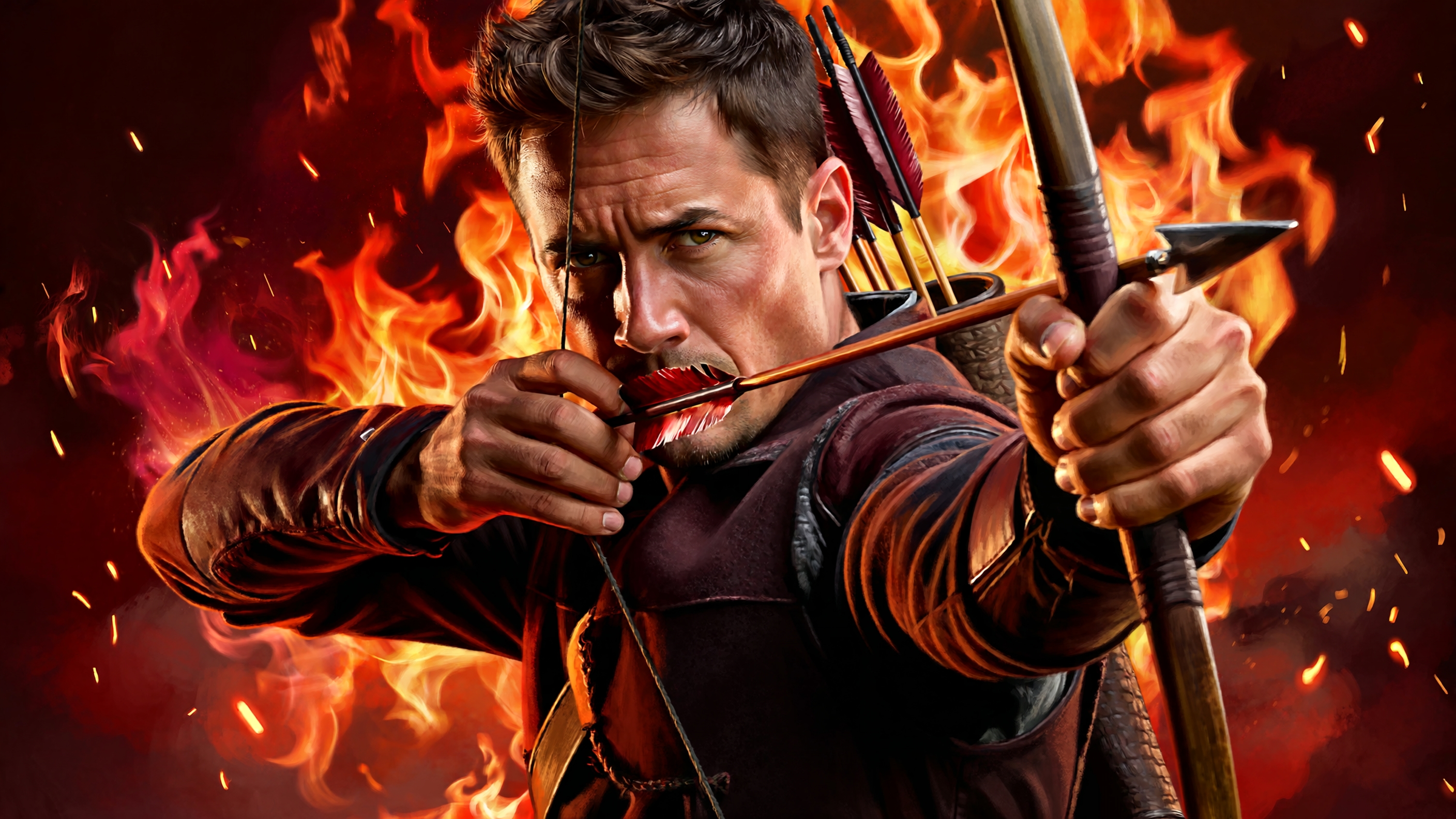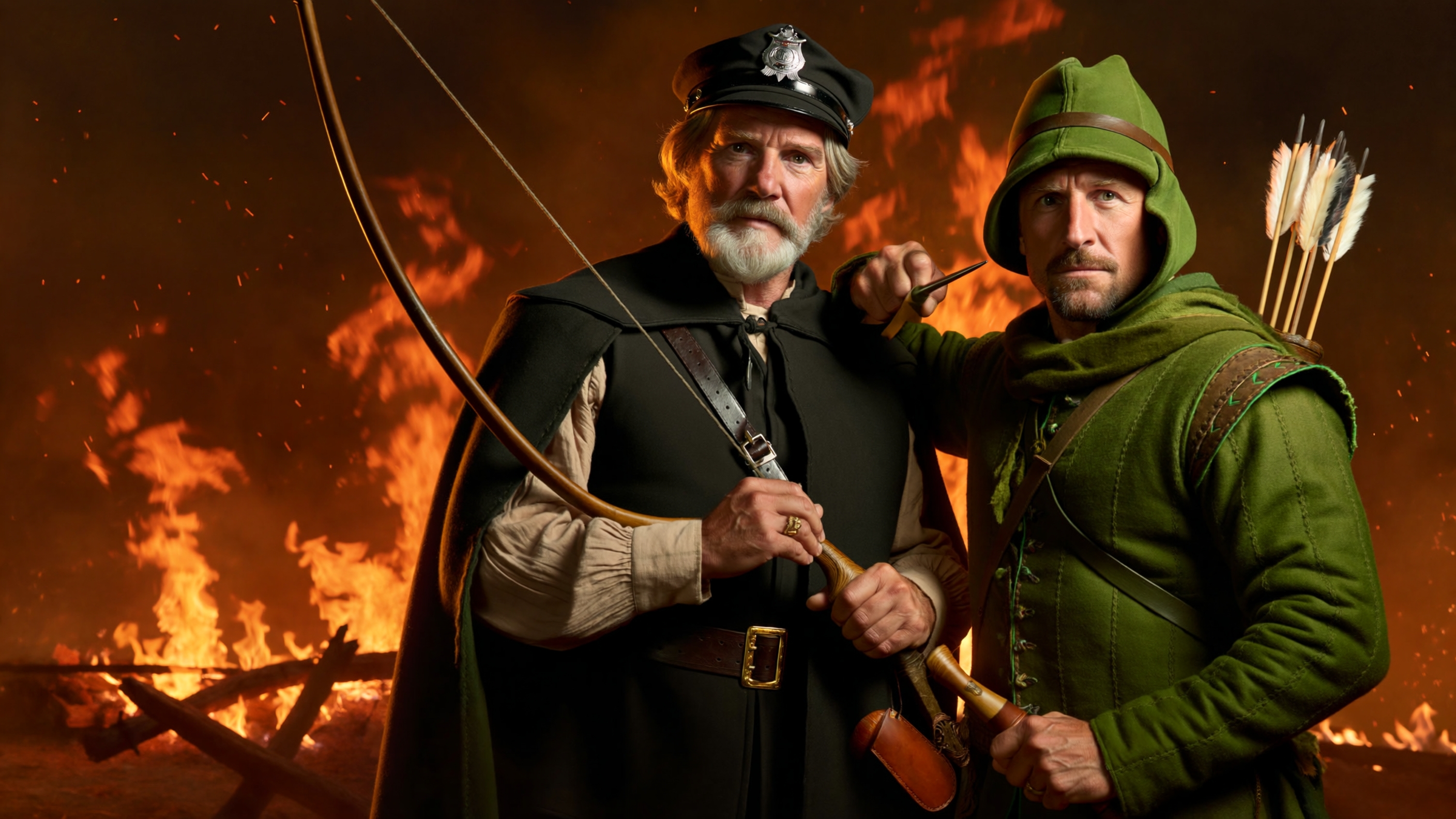
The image of Robin Hood is deeply embedded in global culture. He is the ultimate heroic outlaw: a master archer clad in Lincoln green who lived in Sherwood Forest, defied the tyrannical Sheriff of Nottingham, and famously robbed from the rich to give to the poor. Alongside his band of "Merry Men"—including Little John, Friar Tuck, and his beloved Maid Marian—Robin Hood represents the eternal struggle for justice against corruption. Yet, for centuries, historians, literary scholars, and folklorists have faced a frustrating question: Did a real person inspire this legendary figure, or is he entirely a myth?
The Historical Paper Trail

To determine if Robin Hood existed, historians must dig through medieval legal documents. The earliest surviving literary references to Robin Hood appear in the late 14th century, notably in William Langland’s epic poem Piers Plowman (c. 1377), where a character mentions knowing "rhymes of Robin Hood." However, court records from even earlier periods contain tantalizing clues.
Between the 13th and 14th centuries, the English legal system kept meticulous accounts of fugitives. Intriguingly, variations of the name appear multiple times:
· In 1225, York court records mention a fugitive named Robert Hod, whose goods were confiscated because he owed money to the church.
· In 1262, a man named William Robehod was declared an outlaw in Berkshire.
· By the early 1300s, judges and clerks were using "Robinhood" or "Robehod" as a generic legal term for any fugitive or forest bandit, much like "John Doe" is used today.
This widespread use suggests that a specific outlaw named Robert or Robin Hood may have achieved such notoriety in the early 1200s that his name became synonymous with the lifestyle of a bandit.
The Prime Candidates
Several real-life figures closely mirror the actions of the legendary archer. One of the strongest candidates is Roger Godberd, an outlaw active in the 1270s. Godberd led a band of men in Sherwood Forest, specialized in robbing wealthy church officials, and engaged in a fierce, bloody feud with the Sheriff of Nottingham. He was eventually captured but managed to escape with the help of a sympathetic local knight, mirroring a classic Robin Hood plotline.
Another theory points to a man named Robert Hood of Wakefield, who participated in a failed rebellion against King Edward II in 1322. Following the rebellion, he hid in the woods as a fugitive. When Edward II later traveled through the north of England, he allegedly pardoned a man named Robert Hood and hired him as a royal servant—an event that perfectly matches the ending of one of the oldest surviving Robin Hood poems.
The Evolution of a Myth
If a real person did inspire the legend, he was very different from the character we see in modern Hollywood films. The earliest ballads from the 15th century, such as A Gest of Robyn Hode, reveal a much darker, gritty character.
Originally, Robin Hood was not a dispossessed nobleman or the "Earl of Loxley." He was a yeoman—a member of the common class, just above a peasant. Furthermore, the early stories contain no mentions of Maid Marian or Friar Tuck, both of whom were added to the myth centuries later during 16th-century May Day festival pageants.
Most importantly, the earliest Robin Hood did not rob the rich to give to the poor. He was a violent rebel who robbed corrupt government officials and greedy monks to fund his own outlaw band. The concept of redistributing wealth to the impoverished was added by Tudor-era playwrights to make the character more socially acceptable and heroic to wealthier audiences.
Conclusion: Fact or Fiction?
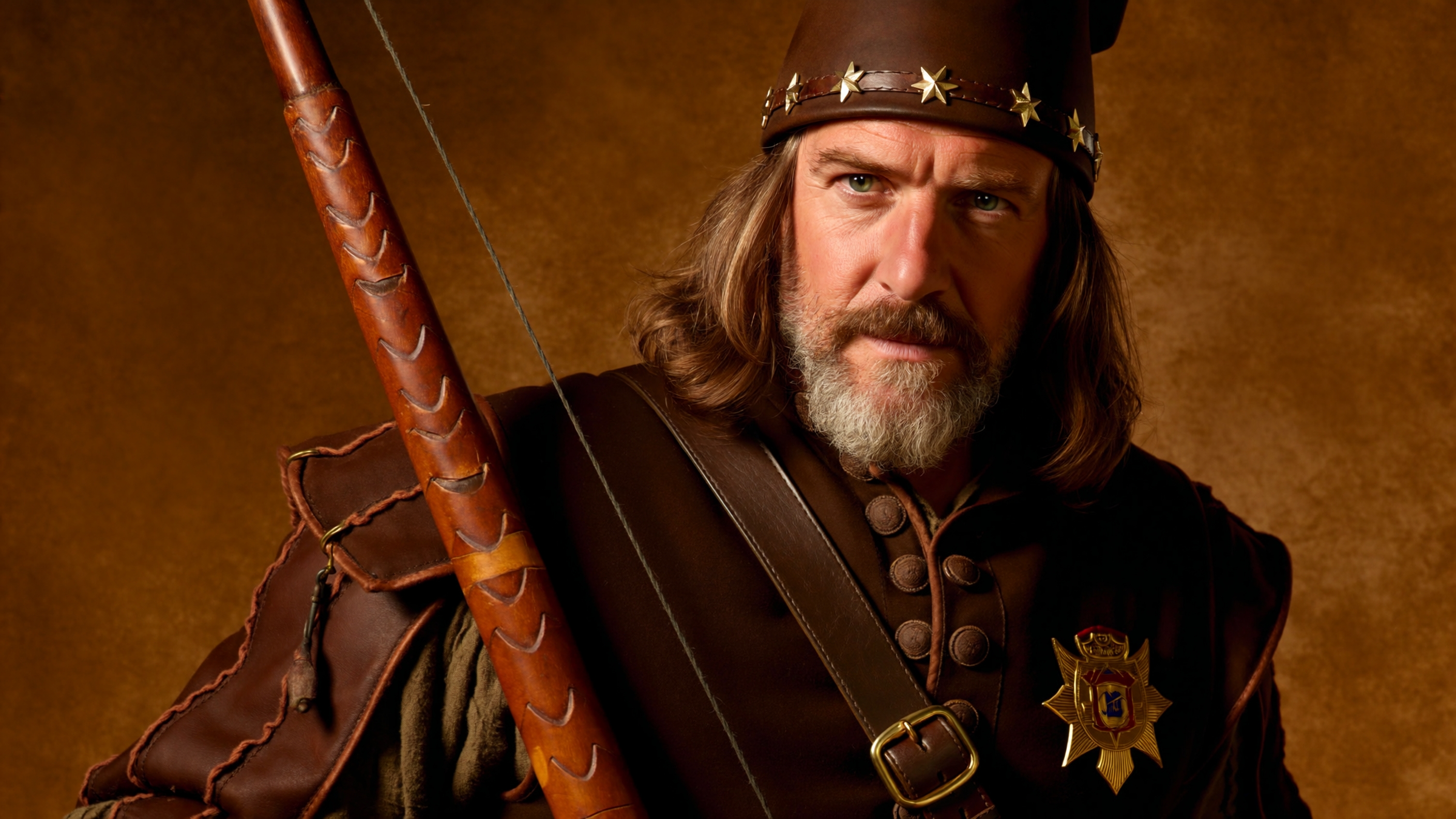
Ultimately, modern historians agree that Robin Hood was not a single historical person, but a composite figure. He is an amalgamation of various real-life 13th-century bandits, political rebels, and folk heroes whose stories were woven together over centuries of oral storytelling.
Robin Hood survived because he represented a universal human ideal. For medieval peasants suffering under high taxes and corrupt laws, this fictional archer was a symbol of hope, freedom, and defiance. While a single "true" Robin Hood never walked the paths of Sherwood Forest, the idea of him is very real—and that is why his legend continues to live on.