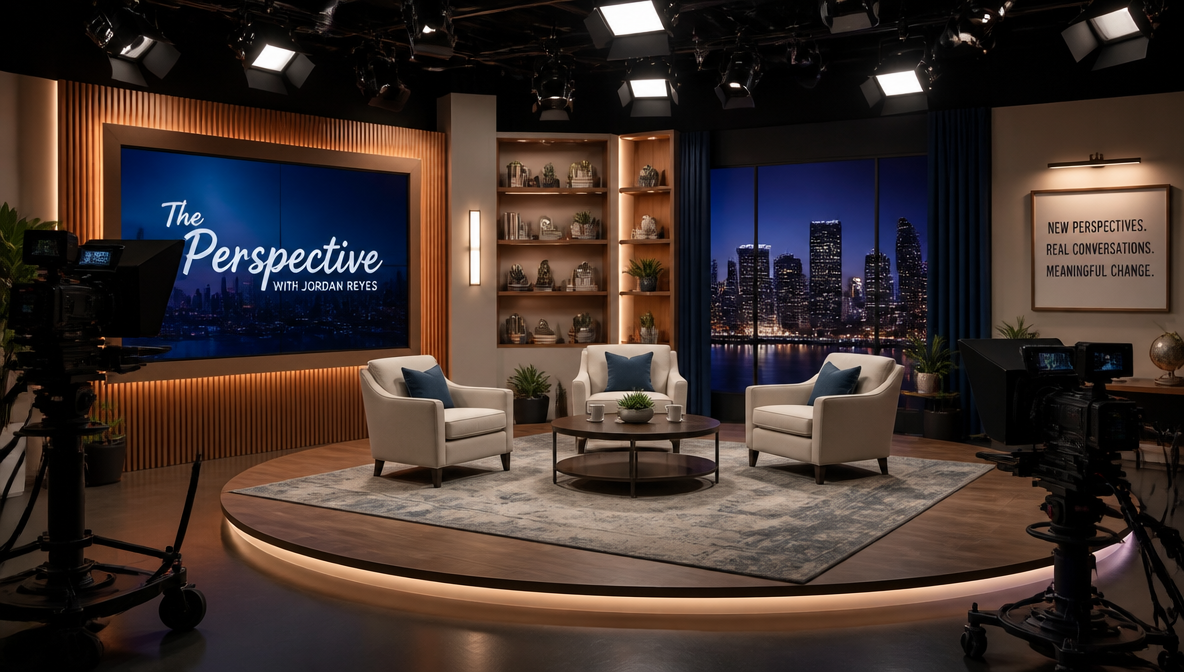
For decades, television has been a powerful medium for storytelling, capturing the imaginations of millions of viewers worldwide. While modern audiences are accustomed to tight, high-budget streaming series that last for three or four seasons, the history of broadcasting holds mind-boggling records of longevity. The title of the longest-running drama in television history belongs to the American soap opera "The Guiding Light." With a monumental broadcasting run that spanned over seven decades, it stands as an unmatched titan of serial storytelling.
A Historic Milestone: From Radio to Television
"The Guiding Light" is a true pioneer of the broadcast medium. Created by Irna Phillips, the show actually began its life not on television, but as a 15-minute radio serial on NBC Radio in 1937. It transitioned to CBS Television in 1952, where it successfully ran for another 57 years until its emotional final episode aired on September 18, 2009.
By the time the cameras stopped rolling, "The Guiding Light" had accumulated an astronomical total of 18,262 episodes across radio and television. This incredible feat earned the show an official placement in the Guinness World Records, cementing its legacy as an unbreakable broadcasting achievement.
The Evolution of the Narrative
The longevity of the series meant that it had to constantly reinvent itself to mirror the changing landscape of twentieth-century society.
- The Early Years: Originally, the plot centered around Reverend John Ruthledge and the residents of a fictional town called Five Points. The "guiding light" referenced in the title was a literal lamp kept burning in the Reverend's study, symbolizing comfort, hope, and guidance for the community.
- The Bauers: In the late 1940s and 1950s, the focus shifted to the Bauers, a German immigrant family living in Springfield. The show explored themes of working-class struggles, marital issues, and the American dream.
- Modern Eras: As the decades rolled on, the series introduced new wealthy families, core betrayals, corporate espionage, and dramatic healthcare crises, shifting away from religious themes toward the classic, high-stakes drama expected of modern daytime television.
Why Did Daytime Soap Operas Last So Long?
To understand how a show could survive for 72 years, one must understand the unique mechanics of the daytime soap opera. Unlike evening dramas, soap operas aired five days a week, fifty-two weeks a year, without seasonal breaks. Production was an intense, assembly-line process where actors memorized dozens of pages of script every single day.
Furthermore, these shows built deep, multi-generational bonds with their audiences. Viewers grew up watching characters age in real-time, creating a sense of intimacy and loyalty that no weekly primetime show could replicate. "The Guiding Light" served as a daily companion for families through World War II, the Space Age, and the birth of the digital era.
The End of an Era and Global Competitors
By the late 2000s, shifting viewer demographics, the rise of reality television, and declining ratings led CBS to cancel the historic show. While "The Guiding Light" remains the all-time record holder, other colossal series continue its legacy. In the United States, "General Hospital" has been airing since 1963 and has surpassed 15,000 episodes, while the United Kingdom boasts "Coronation Street," which has documented British working-class life continuously since 1960.
"The Guiding Light" remains a monumental testament to the power of daily narrative. It didn't just witness history; it was woven into the cultural fabric of the 20th century, proving that some stories are powerful enough to last a lifetime.