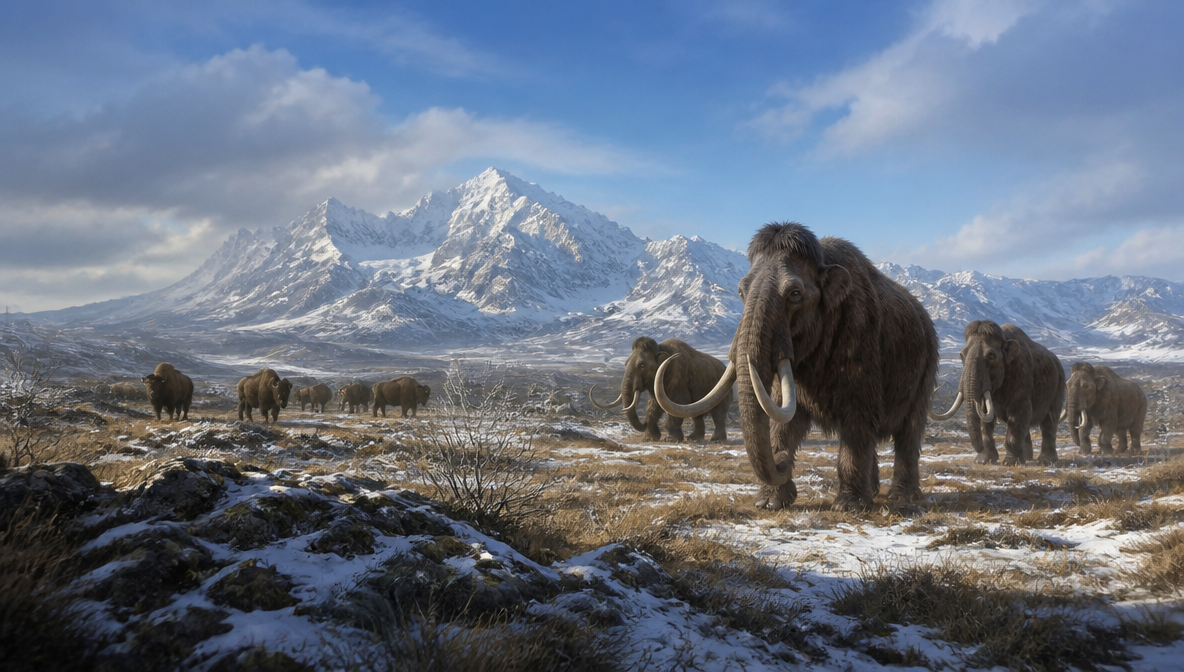
The question of what primitive humans ate has captivated scientists and the public alike for decades. For a long time, popular culture painted a simplistic picture of our ancestors: brutish cavemen who survived almost exclusively on the bloody meat of woolly mammoths and woolly rhinoceroses. However, modern archaeological discoveries, advanced chemical analysis of fossilized teeth, and studies of ancient campsites have completely overturned this myth.
The actual diet of primitive humans was incredibly diverse, highly adaptive, and deeply dependent on geography, climate, and the shifting seasons. Far from being pure carnivores, our ancestors were ultimate opportunists who ate whatever nature provided.
During the Paleolithic era, or the Old Stone Age, the majority of human evolution took place within a hunter-gatherer framework. For early hominids like Homo habilis and Homo erectus, meat was initially a rare luxury. They began as scavengers rather than apex hunters, using basic stone tools to crack open bones left behind by large predators to access the highly nutritious, fat-rich bone marrow.
This influx of high-quality calories and essential fatty acids is widely believed by evolutionary biologists to have fueled the rapid growth of the human brain.
As human species evolved into Neanderthals and Homo sapiens, hunting techniques dramatically improved. In colder, northern regions like Ice Age Europe, the diet did lean heavily toward animal proteins and fats. Humans hunted large game, including bisons, wild horses, reindeer, and occasionally mammoths. Every part of the animal was utilized; fat was especially prized as a vital source of energy during harsh winters. However, even in these freezing environments, humans found ways to supplement their diet.
In warmer climates, the "gatherer" aspect of the lifestyle dominated. Plants, roots, and seeds formed the stable baseline of the daily caloric intake. Gathering was far more reliable than the unpredictable nature of hunting. Early humans consumed hundreds of varieties of wild flora. They dug up fiber-rich tubers, picked wild berries, wild apples, figs, and harvested energy-dense nuts such as acorns, hazelnuts, and wild almonds. Recent botanical evidence even shows that Paleolithic humans harvested and processed wild grains, long before the invention of agriculture.
Furthermore, primitive humans heavily relied on what is often called "micro-fauna." Insects, larvae, slugs, and snails were consumed in large quantities. They provided an effortless, abundant source of pure protein and zinc.
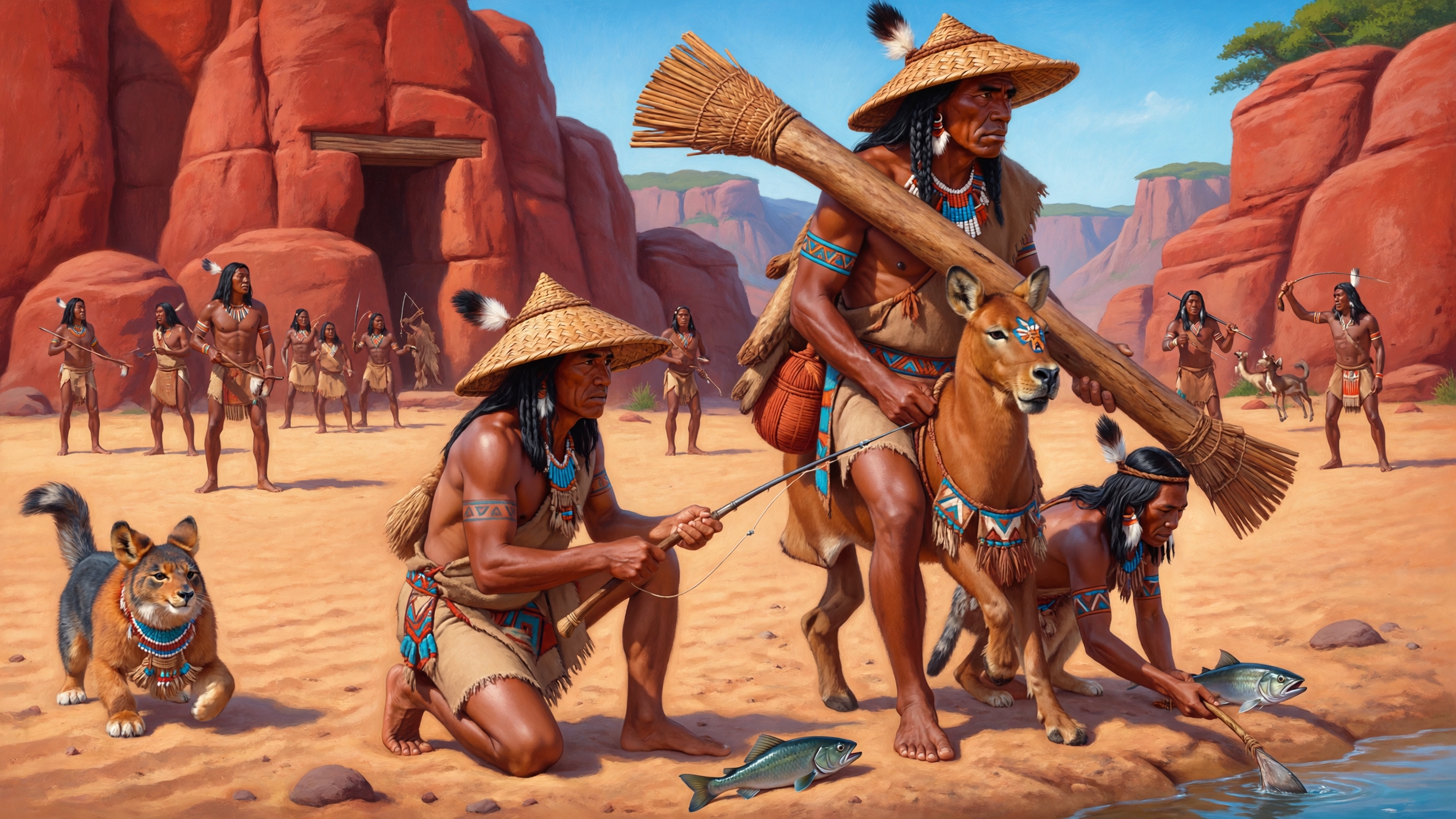
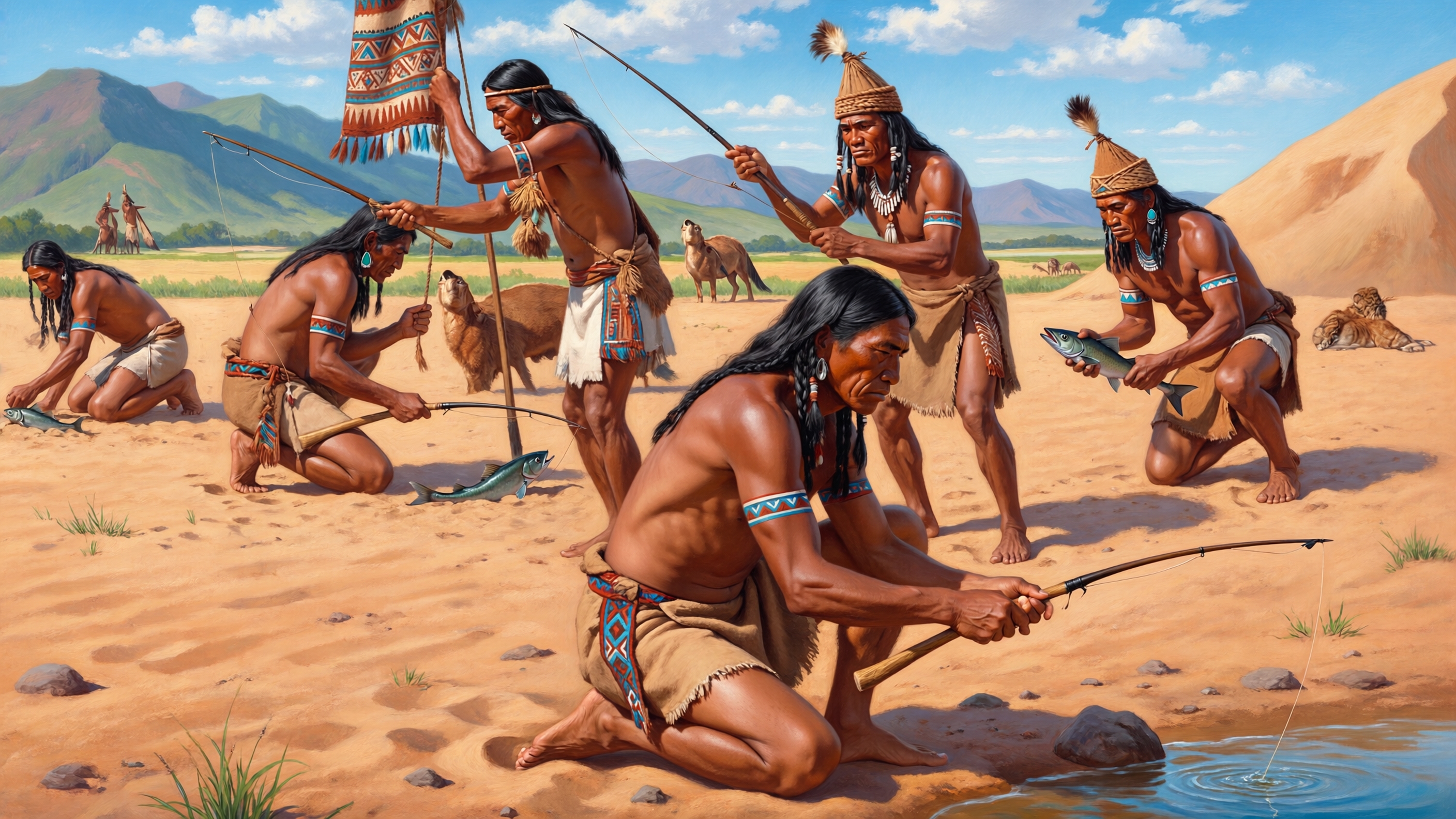
Water bodies also provided a major nutritional turning point. Near rivers, lakes, and coasts, primitive groups experienced a "coastal revolution." They gathered massive quantities of mollusks, crabs, and oysters, leaving behind huge mounds of shells that archaeologists study today. They caught freshwater fish like salmon and trout using bone harpoons and primitive traps woven from branches, and even scavenged the meat of stranded marine mammals.
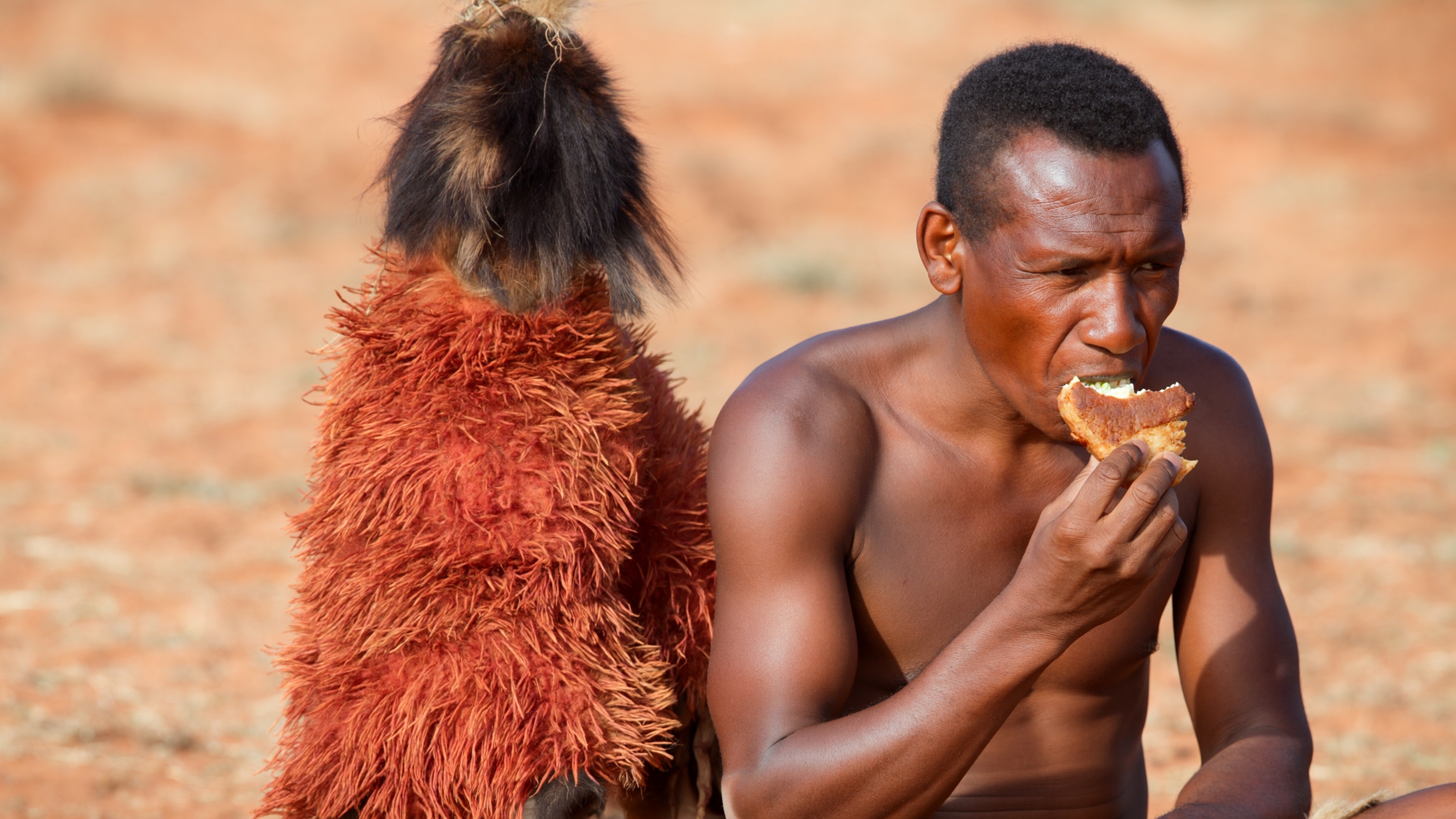
The ultimate game-changer in human nutrition was the mastery of fire. Cooking transformed human anatomy. Applying heat to tough meats and fibrous tubers broke down complex structures, making them easier to chew and digest. It neutralized toxins in plants and killed deadly parasites in meat. Because cooked food required less metabolic energy to digest, the human gut shrunk over evolutionary time, allowing the body to redirect its energy resources toward expanding intellectual capacity.
The diverse, chaotic diet of the Paleolithic came to a definitive end around 10,000 years ago with the Neolithic Revolution. Humans began domesticating crops like wheat, rice, and corn, and taming animals like cattle and sheep. While agriculture provided a predictable food surplus that birthed modern civilization, it ironically narrowed the human diet from hundreds of wild ingredients to just a few staple crops, making early farmers less healthy and more prone to malnutrition than their hunter-gatherer ancestors.
In conclusion, there was no single "paleo diet." The true secret to the survival and evolutionary success of primitive humans was their remarkable dietary flexibility—an ability to turn almost anything edible in their environment into fuel for survival.