The line between a war hero and a traitor is often defined by a single, catastrophic decision. Throughout history, some of the most celebrated military minds—individuals who demonstrated immense bravery, saved thousands of lives, and earned their nation’s highest honors—ultimately chose to betray the very countries they once bled for.
The stories of military figures who transitioned from national heroes to reviled defectors illuminate how personal ambition, disillusionment, or political pressure can corrupt even the most decorated soldiers.
🇺🇸 Benedict Arnold: The Definition of American Treason
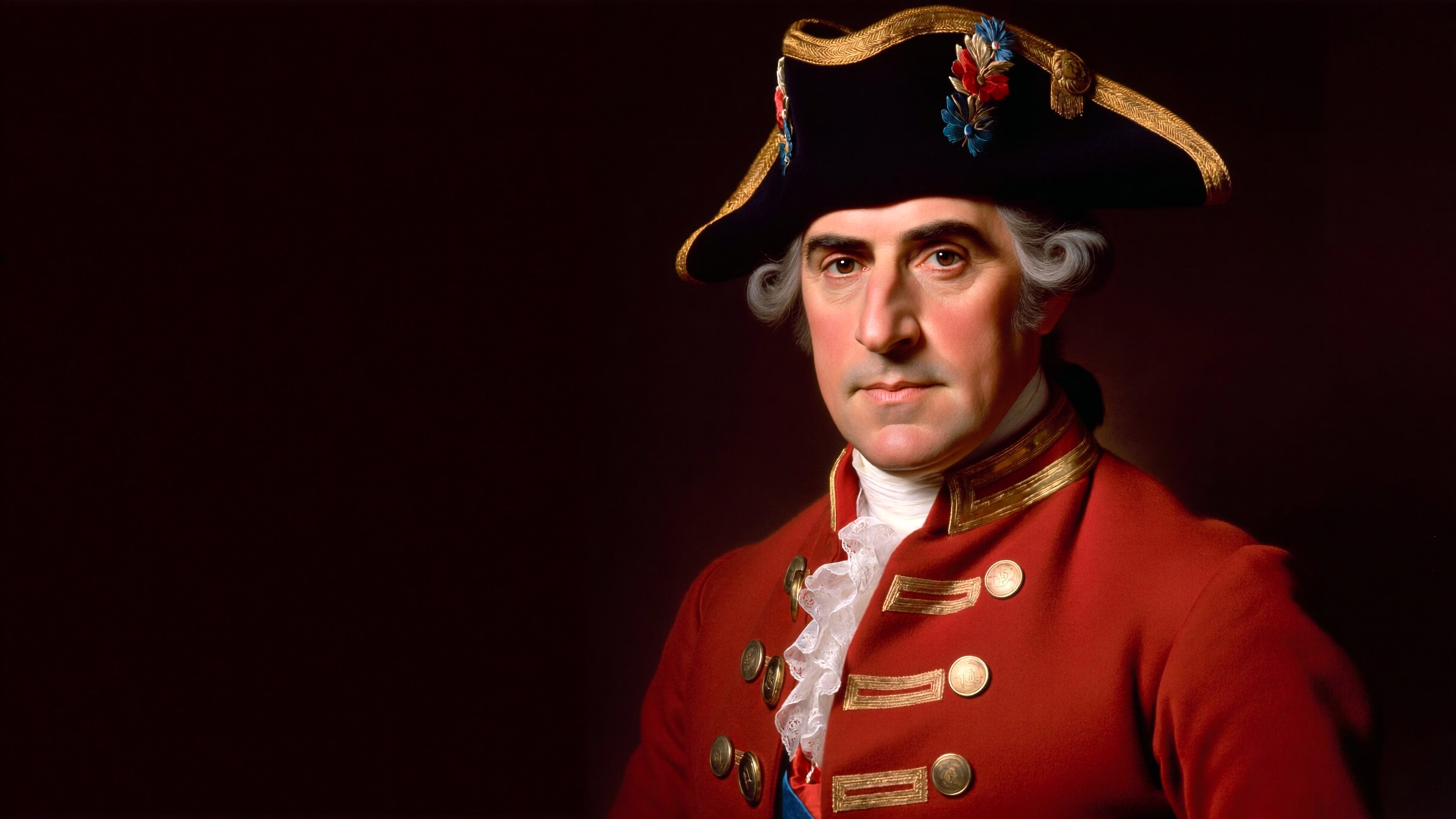
In American culture, the name Benedict Arnold is synonymous with the word "traitor." Yet, during the early years of the American Revolutionary War, Arnold was widely regarded as General George Washington’s most aggressive, brilliant, and successful battlefield commander. He proved his tactical genius at the Battle of Ridgefield and played a pivotal role in the Battle of Saratoga (1777), a turning point in the war that convinced France to ally with the Americans. During that battle, Arnold was severely wounded in the leg while leading a daring charge.
Despite his heroism, Arnold grew deeply bitter. He felt repeatedly passed over for promotions by the Continental Congress, while lesser officers claimed credit for his battlefield victories. Plagued by mounting debts and influenced by his loyalist wife, Arnold opened secret negotiations with the British. In 1780, he accepted the command of West Point, a critical American fort on the Hudson River, with the explicit intent of surrendering it to the British for £20,000. The plot was exposed when British Major John André was captured with incriminating papers in his boot.
Arnold fled to British lines and spent the remainder of the war leading brutal raids against his former comrades. He died in London, financially ruined and universally despised by both Americans and the British, who never fully trusted him.
🇷🇺 General Andrey Vlasov: From Moscow’s Savior to Hitler’s Ally
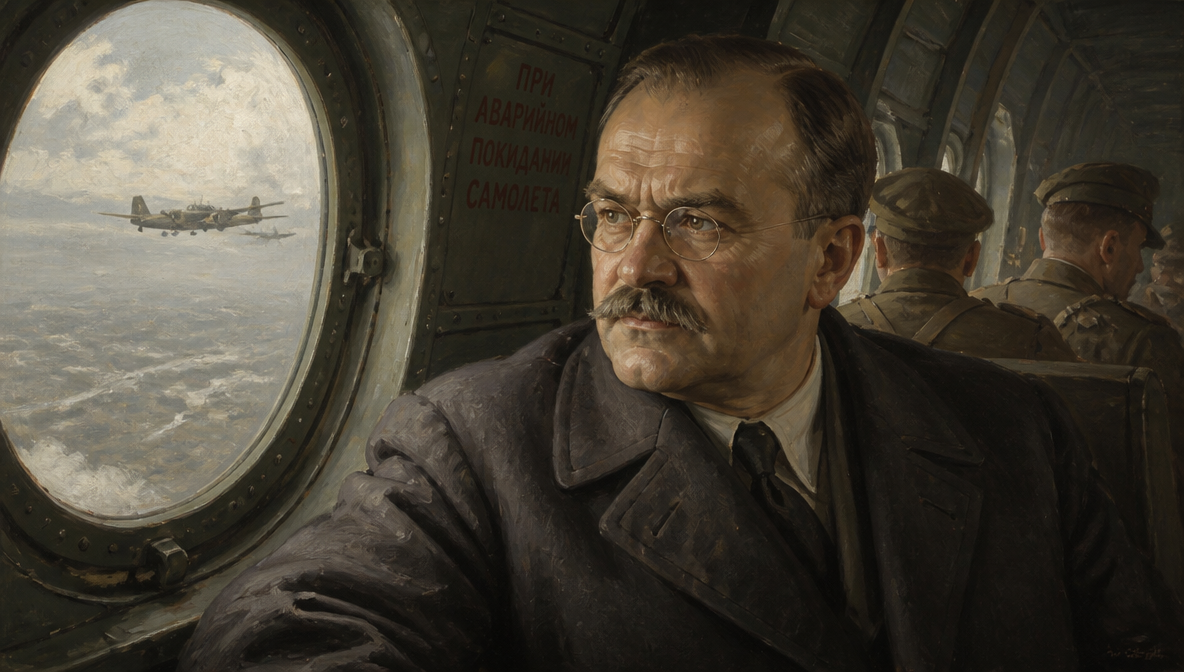
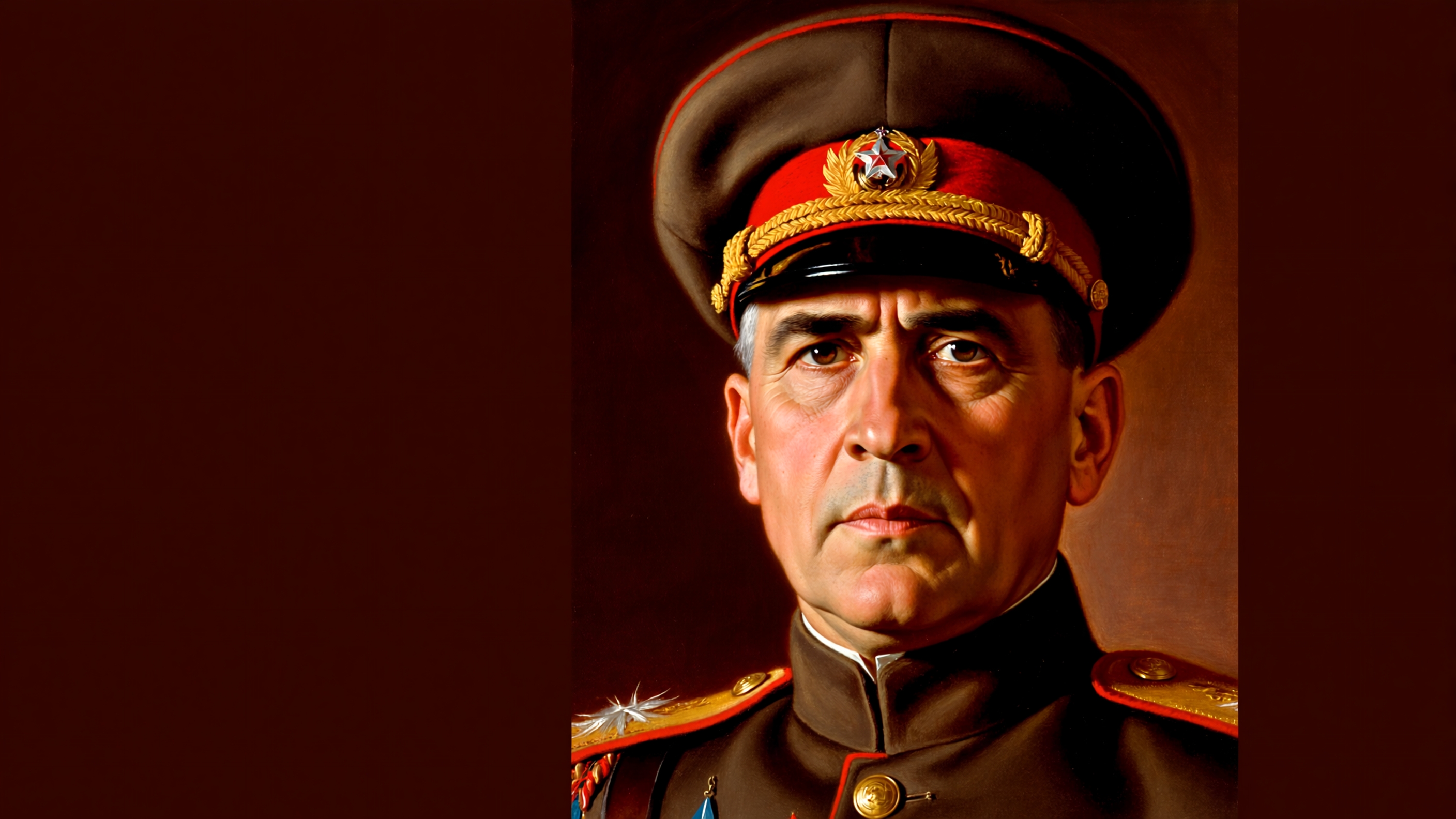
In the history of World War II, few betrayals match the magnitude of Soviet General Andrey Vlasov. Prior to his defection, Vlasov was one of Joseph Stalin’s most trusted and heavily decorated commanders. He was celebrated as a hero during the defense of Kiev and played a monumental role in the Battle of Moscow (1941), successfully halting the German advance on the capital. His face was plastered across Soviet newspapers, and he was awarded the Order of Lenin and the Order of the Red Banner.
In 1942, Vlasov was given command of the 2nd Shock Army, tasked with breaking the siege of Leningrad. The offensive failed disastrously, and Vlasov's army was completely surrounded in the swamps. Denied permission to retreat by Stalin, Vlasov hid for weeks before being captured by the Germans. While in captivity, Vlasov underwent a radical transformation. He agreed to collaborate with Nazi Germany, citing a hatred for Stalin’s regime as his motivation. He established the Russian Liberation Army (ROA), composed of Soviet POWs who chose to fight alongside the Wehrmacht. Following Germany's defeat in 1945, Vlasov was captured by Soviet forces. Found guilty of treason, he was stripped of all his heroic decorations and executed by hanging in Moscow in 1946.
🇫🇷 Marshal Philippe Pétain: The Lion of Verdun Silenced
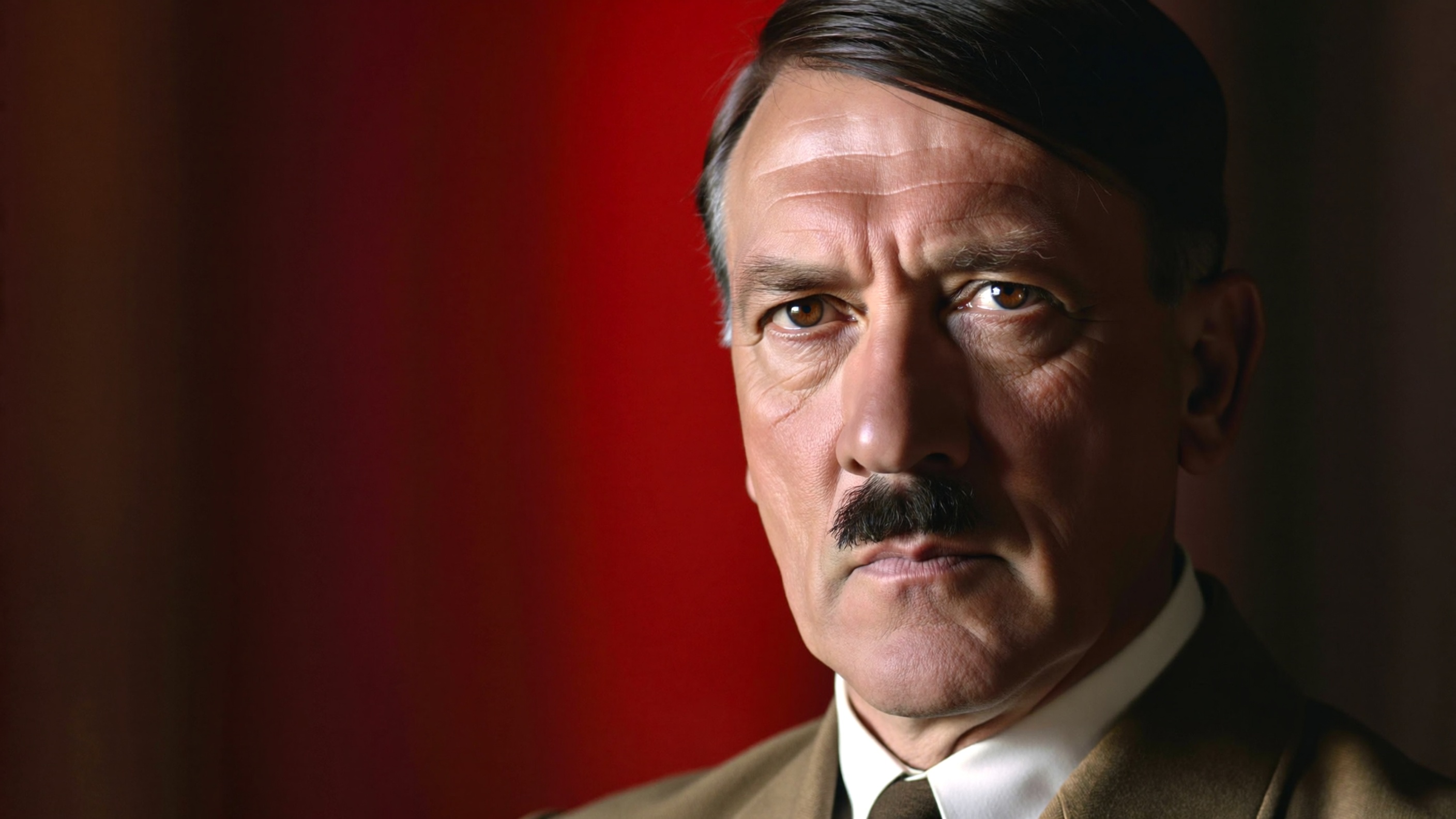
For the people of France, Philippe Pétain was the ultimate savior of the nation during World War I. As the commander at the Battle of Verdun (1916), he successfully organized the defense against a massive German onslaught, earning the moniker "The Lion of Verdun." His famous rallying cry, "They shall not pass!", became a symbol of French resilience. He was rewarded with the title of Marshal of France, the country's highest military honor.
However, when World War II erupted and France fell to Nazi Germany in 1940, an elderly Pétain was called upon to lead the government. Instead of resistance, Pétain signed an armistice with Adolf Hitler and established the Vichy Regime, a collaborationist government. Under Pétain’s rule, the regime actively assisted the Nazis, passing harsh anti-Semitic laws and deporting tens of thousands of French Jews and political dissidents to concentration camps. After the liberation of France, the aging Marshal was put on trial for high treason. He was sentenced to death and stripped of all military honors except his title of Marshal. General Charles de Gaulle later commuted the death sentence to life imprisonment due to Pétain's advanced age, and France's greatest WWI hero died in a solitary island prison, his legacy forever tarnished.